
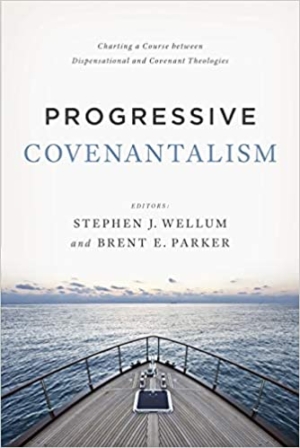
An Aberration Or Standard In Progressive Covenantalism? Issues About Covenant Conditions

Caneday’s main argument is to undermine the law-gospel distinction. In his words, “This chapter disavows the notion that all of Scripture consists of two isolatable messages: law, consisting of God’s demands, and gospel, composed of God’s gracious giving. Instead, it argues that the formulation of covenant stipulations remain the same while the content of stipulations changes.” (pg. 103; italics original). Continue reading →

New Resource Page On Social Media And Wikipedia

In a very short period of time, social media has become one of the dominant forces in our age. Who does not have a social media account of some kind? Your Grandmother knows how to use Facebook and teens use and switch social media platforms the way they choose fashions, rapidly. Every social media platform, however, is a trade-off. We use them to connect with friends and to communicate but the social media platforms are using us at the same time. They are ostensibly “free” but that is because we, the users, are the content. Continue reading →

In Defense Of The Bible Belt

One can imagine fewer complaints from the South if her critics held everyone over the fiery pit like one of Edwards’s unfortunate spiders, and did so with equal contempt. But there seems to be a bit of socio-theological dissonance at play. On . . . Continue reading →

A Canary In The Cultural Coal Mine

Rasanen and Pohjola are being charged with “hate speech” for respectively writing and publishing a 24-page 2004 booklet that explains basic Christian theology about sex and marriage, which reserves sex exclusively for within marriage, which can only consist of one man and . . . Continue reading →

Federal District Court Judge Suggests That Military Personnel Denied Religious Exemption From The Covid Vaccine May Have A Case Under RFRA

Whether characterized as a facial challenge or as a class of precisely similar as-applied challenges, requiring only a single judicial determination, the plaintiffs’ contention is—based on current data—quite plausible that each branch’s procedure for requesting a religious exemption is a ruse that . . . Continue reading →