Soul Food And Body Food: The Significance Of The Lord’s Supper For The Bodies Of Partakers (Part 2)

feast

In part 1, I explored the implications of our union with Christ’s body in his life, death, burial, resurrection, and ascension for our physical bodies. Chief among these implications are Christ’s perfect understanding of the human experience, his endurance of excruciating physical . . . Continue reading →

What Is Reformed Theology? (Part 14)

wirt 2

It is a great temptation to think that the same God who created and sustains us, who so loved us that he gave his only begotten Son for us (John 3:16), who granted to us new life and true faith, who has . . . Continue reading →

New Resource Page: For Ruling Elders

The faithful service of the ruling elder is most valuable. Paul says, “Let the elders who rule well be considered worthy of double honor, especially those who labor in preaching and teaching” (1 Tim 5:17). One of the most important things Paul . . . Continue reading →

A New Old Commentary On The Revelation

The third part of [Christ and His Church-Bride: Meredith G. Kline’s Biblical-Theological Reading of the Book of Revelation] is something quite brilliant: a sort of commentary on Revelation by Meredith Kline. In this section, Olinger did the difficult and tedious work of . . . Continue reading →

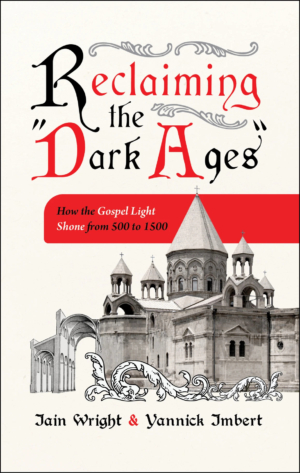
Review: Reclaiming The “Dark Ages”: How The Gospel Light Shone From 500 To 1500 By Iain Wright and Yannick Imbert

a28f72ee 320c 43f7 b503 c2f6c929057c

On-ramps are really important for merging safely and easily into fast-moving traffic. Where I live near Detroit, the merging lanes at the end of on-ramps are shockingly short, often leaving a sense of dangerous urgency to find a place to fit comfortably . . . Continue reading →

What Exactly Does Infant Baptism Mean?

The Reformed doctrine of infant baptism is a stumbling block for many evangelical Christians who are otherwise attracted to joining a Reformed church. But the Reformed face not only the doctrinal challenge of defending the biblical rationale for our practice but also . . . Continue reading →