
These were the top five posts for the week of February 9–15, 2026. Continue reading →
These were the top five posts for the week of February 9–15, 2026. Continue reading →
The truth is that elder visits can too often be like a home visit from a dentist. We all dread the dentist because we know that he is a bearer of bad news, not good news. Continue reading →
We are deeply thankful for your prayers, encouragement, and faithful support of Mission Milan. Because of your partnership in the gospel, the Word of Christ continues to be proclaimed clearly and joyfully here in Italy. It is a privilege to labor in this land and to witness the quiet, steady work of the Lord as he builds his church through ordinary means—Word, sacrament, prayer, and fellowship. Continue reading →

Peace United Reformed Church began as a church plant in February 2020. Through lockdowns, fear, and a pandemic, God continued to grow this work in Vancouver, WA. We began meeting just on Sunday evenings for worship. A local church graciously allowed us . . . Continue reading →
These were the top five posts for the week of February 2–8, 2026. Continue reading →
When John Henry Newman said, “To be deep in history is to cease to be Protestant,” his basic argument was that if you look at the early church and compare its doctrine and practice to Protestantism, you will observe that the early . . . Continue reading →
Why do I exist? Who am I supposed to be? Questions of identity touch the heart of our human condition. They also broach some of the most challenging issues of the modern period. We need to know what it means to be . . . Continue reading →
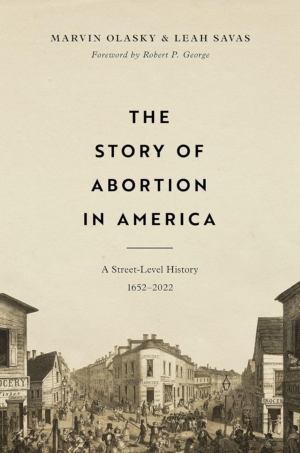
In 1883 newspapers across the United States ran front-page stories describing the discovery of hundreds of unborn children buried in the cellar of a Philadelphia abortionist. Headlines did not employ euphemisms like medical waste or health code violations but spoke candidly instead . . . Continue reading →
In this episode Dr. Clark talks about Münster and Geneva. Continue reading →
These were the top five posts for the week of January 26–February 1, 2026. Continue reading →
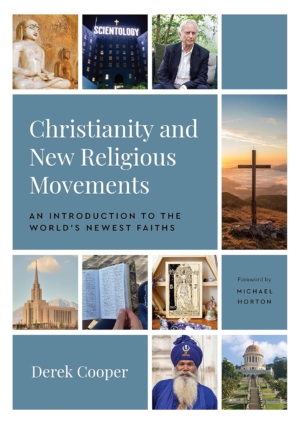
Just a few minutes away from my place is one of the largest Sikh worship centers in the country. It was built in 2003 on a multimillion-dollar budget, and today it is a beautiful piece of architecture that houses a school, priest . . . Continue reading →
In this episode Dr. Clark talks about theocracy. Continue reading →
In this episode Dr. Clark talks about natural law. Continue reading →
In this episode Dr. Clark talks about forgiving our enemies. Continue reading →
These were the top five posts for the week of January 12–18, 2026. Continue reading →

The Confessing the Faith Conference is a one-day, free-of-charge event designed to equip believers with sound theology that shapes their lives, their churches, and their witness in the world. In an age of competing messages, shifting cultural pressures, and theological confusion, this . . . Continue reading →
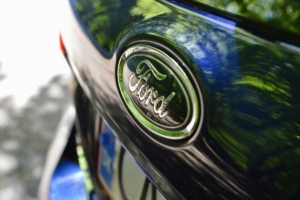
I was driving through town, and I noticed the logo on a Ford truck and was impressed by how well the artwork has held up since the 1920s. This made me think of companies that have tried to change their brand or . . . Continue reading →
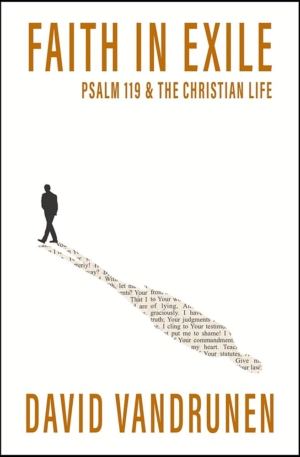
In the days before screens told our culture its stories, the spoken word was the teller’s tool. Radio stations featured hour-long programs; families gathered in the living room to listen to an old familiar voice and be lulled to sleep by their . . . Continue reading →
In this episode Dr. Clark talks about heretics and Scripture. Continue reading →
In this episode Dr. Clark talks about Calvin. Continue reading →