HeidelQuote

Lingering Doubts About Baptism

I could not understand why, given the Old Testament emphasis of God’s working through families, the New Testament did not signal a change in that policy. It seemed passing strange to me that the new covenant sacrament included women and Gentiles but . . . Continue reading →

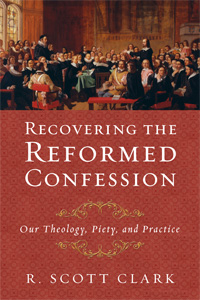
Reformed Is Enough Or Why I Wrote RRC

David J. Miller published a lengthy account yesterday of his journey out of the OPC to Eastern Orthodoxy and to Anglicanism of different sorts and back to confessional Presbyterian and Reformed theology, piety, and practice. It’s a long-ish piece but it’s a . . . Continue reading →

HeidelQuote

We Neglected The Reformers On Worship

Although I had been raised in Methodist and Presbyterian churches and attended Westminster Theological Seminary in Philadelphia, was ordained in the Orthodox Presbyterian Church, served pastorates in that church and in the PCA, I nevertheless found myself at different times in my . . . Continue reading →

The Cult of Wikipedia

Over at more than 95 theses they have been discussing Wikipedia. We’ve all been given reasons not to trust WP, most notably the so-called “vanity edits” made by staffers on capital hill.I’ve been troubled by the entries on covenant theology and most . . . Continue reading →

HeidelQuote

Disagreeing With You Isn’t Unloving

Have you ever noticed that when differences of opinion come up between the confessionalists and the “can’t we all get along” (hereafter abbreviated “cwaga”) folks, that incredibly shrill and unloving voices come from the latter group directed towards the former group, all . . . Continue reading →

HeidelQuote

Machen On Revival And Controversy

I do not know all the things that will happen when the great revival sweeps over the Church, the great revival for which we long. Certainly I do not know when that revival will come; its coming stands in the Spirit’s power. . . . Continue reading →

HeidelQuote

Witsius On Merit

I.I.XV. In the covenant of works, man is considered as working, and the reward to be given as of debt; and therefore man’s glorying is not excluded, but he may glory as a faithful servant may do upon the right discharge of . . . Continue reading →