Bond And A Betrayal Culture

There are two problematic layers built into No Time to Die’s manipulative betrayal of Bond fans. The first, and arguably less substantive, is the film’s abandonment of the 007 formula. Movie critics have praised the decision to depart from the standard format of find the villain, defeat the villain, get the girl, get away with a dryly humorous quip. This praise, however, is precisely what reveals the elitist nature of the modern entertainment industry. There is a necessary question: If twenty-five movies (plus the novels and a few video games) have had immense commercial success for sixty years while abiding by the same formula, what suggests that the audience wants the films to depart from the formula? Quite obviously, it seems that we continue to pay money to watch Bond movies because we want the formula. If we wanted something else, we would see a different movie. Continue reading →

An Aberration Or Standard In Progressive Covenantalism? Issues About Covenant Conditions

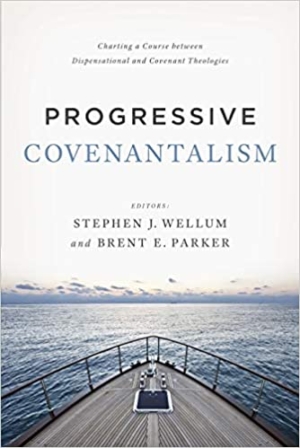
Caneday’s main argument is to undermine the law-gospel distinction. In his words, “This chapter disavows the notion that all of Scripture consists of two isolatable messages: law, consisting of God’s demands, and gospel, composed of God’s gracious giving. Instead, it argues that the formulation of covenant stipulations remain the same while the content of stipulations changes.” (pg. 103; italics original). Continue reading →

Discovering The Reformed Confession: Keith Giles Moves From Hal Lindsey To The Heidelberg Catechism

I was born and brought up in London, England and my family were faithful members of the Open Brethren churches, who count as part of their history the great George Müller and the martyr, Jim Elliot; firmly premillennial, dispensational, ‘no creed but the Bible’ and credobaptist with many other idiosyncrasies thrown in! I moved to Coventry in the Midlands of England for college and stayed in that area afterwards, involved in a variety of evangelistic efforts and youth work. I even remember one summer teaching faithfully at a Bible class with all the charts and without any doubt, the end times according to Hal Lindsey! Continue reading →

Does Inerrancy Apply Only To The Hebrew, Aramaic, and Greek Texts Of Scripture?

The final authority for Christian doctrine and the Christian life, as the Westminster Divines wrote, the Word of God in the original languages. This is why it is so important that our pastors and teachers receive a genuine education in the original languages and why we should expect them to continue learn and progress in their knowledge and use of the original languages in pastoral ministry. For centuries before the Renaissance and Reformation, most the ministers in the Western church lost the ability to read the Scriptures in the original languages. Indeed, to find an illiterate priest (one who could not read at all) was not unknown. In the Greek church, of course, they could at least read the New Testament but it was not until the Renaissance that the knowledge of Hebrew and Greek began to return more widely and to be taught again the universities, where pastors were educated. The Reformed churches understood and appreciated the value of the knowledge of the original languages and expected the pastors to learn and use them. Continue reading →

In Defense Of Twitter

My friend and colleague, Carl Trueman, has published another thoughtful piece in First Things,“Lessons From the Reformation’s Pamphlet War.” In this essay he makes an analogy between Twitter and the Reformation pamphlets that were so widely published and distributed during the Reformation. He . . . Continue reading →