The Gospel According To John (MacArthur)—Part 15

In chapter 15 of GAJ, MacArthur’s critique of Dispensational antinomianism (and particularly of the “carnal Christian” doctrine, which we addressed last time) turns to the parable of the sower (Matt 13:24–30). He complains about the undisciplined character of so much of contemporary . . . Continue reading →

The Gospel According To John (MacArthur)—Part 14

No chapter in this volume, so far, relies on MacArthur’s debt to Dispensationalism more than chapter 11, where he addresses the parable of the soils in Matthew 13. The Problem Of Dispensationalism He begins by recalling our Lord’s words, which he addressed . . . Continue reading →

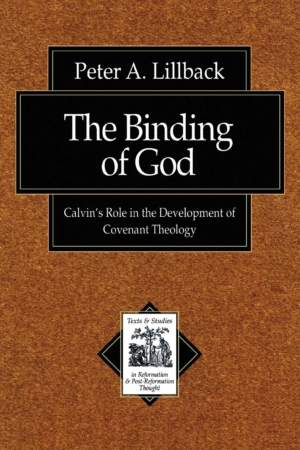
Review: The Binding of God: Calvin’s Role in the Development of Covenant Theology by Peter A. Lillback

Whether Calvin was a covenant theologian has been a matter of considerable confusion and controversy in modern Calvin studies. The answer to this question has usually been determined by whether one considers the rise of covenant theology a positive or negative development, . . . Continue reading →

The Gospel According To John (MacArthur)—Part 12

Because the MacArthurite sect of Dispensationalism (we might say post-modified Dispensationalism but not quite Progressive Dispensationalism) intersects only occasionally and tangentially with the Reformation, the defenders of Lordship Salvation assume that any critique of the system is necessarily a defense of Zane . . . Continue reading →

Review: Union with the Resurrected Christ: Eschatological New Creation and New Testament Biblical Theology by G. K. Beale

G. K. Beale is rightly renowned for his skill at biblical theology, especially tracing the redemptive historical theme of creation-new creation. His work on the temple theme has fairly definitively demonstrated the connections between the creation order and the fundamentally religious orientation . . . Continue reading →

The Gospel According To John (MacArthur)—Part 11

One of the unfortunate aspects of the intra-Dispensational argument—that is, the Lordship Salvation controversy—is that both sides appealed to the Reformation, but neither side represented the Reformation theology, piety, and practice. Dispensationalism is a nineteenth-century phenomenon. Its roots are in the holiness . . . Continue reading →

Review: More Than Heaven: A Biblical Theological Argument for a Federal View of Glorification by T. Jeff Taylor

Even Reformed theology has continually grappled with the major question concerning the relationship between good works and our everlasting condition. Even some who reject the idea that our good works contribute to our final entry into glorification have argued that they play . . . Continue reading →